

 Facebook
 X
X
 Pinterest
 Copy Link
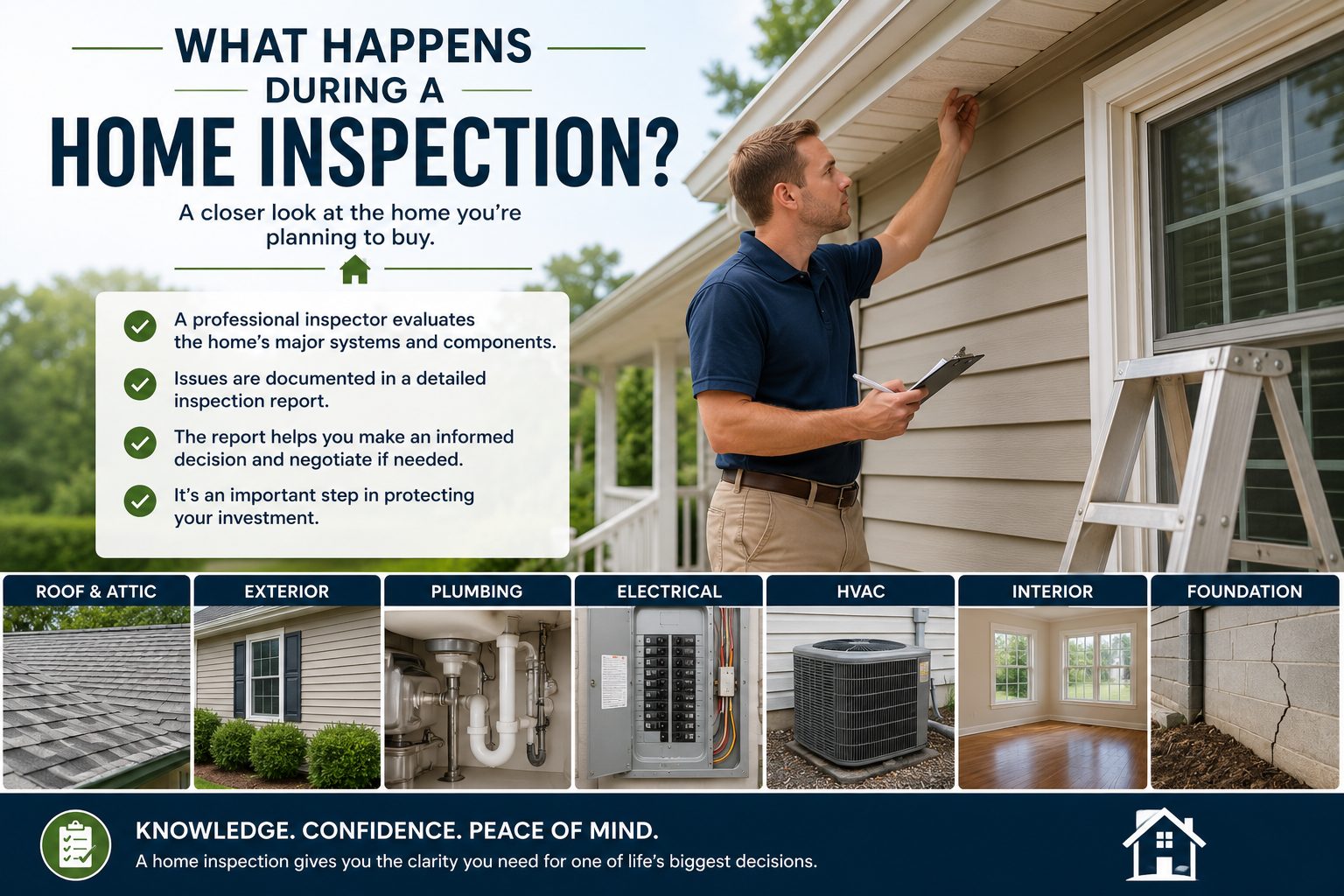
Buying a home is one of the biggest financial decisions most people will ever make. Once your offer has been accepted, one of the most important steps in the process is the home inspection.
If you’re buying a home in Kankakee County, understanding what happens during a home inspection can help you feel more confident, avoid costly surprises, and make an informed decision before closing.
Whether you’re purchasing your first home in Kankakee, upgrading in Bourbonnais, relocating to Manteno, or investing in Bradley, the home inspection is designed to protect you.
What Is a Home Inspection?
A home inspection is a professional evaluation of a property’s visible condition. A licensed home inspector examines the home’s major systems and components to identify defects, maintenance concerns, and potential safety issues.
The inspection is not a pass-or-fail test. Instead, it provides buyers with information so they can better understand the condition of the property before finalizing the purchase.
When Does the Home Inspection Take Place?
In Illinois, the home inspection usually occurs shortly after the seller accepts your offer.
Most purchase contracts include a home inspection contingency, giving buyers a specific amount of time to complete the inspection and review the findings.
Scheduling the inspection quickly helps keep the transaction moving smoothly.
What Does a Home Inspector Examine?
A thorough home inspection typically includes:
Roof
The inspector will evaluate:
- Roof shingles
- Flashing
- Gutters
- Chimney condition
- Signs of leaks
- Estimated remaining life
Foundation
Structural concerns are one of the most important areas inspected.
The inspector looks for:
- Cracks
- Settlement
- Water intrusion
- Uneven floors
- Structural movement
Electrical System
Electrical components evaluated include:
- Service panel
- Wiring
- Grounding
- Outlets
- Switches
- Safety hazards
Plumbing
The plumbing inspection includes:
- Water supply lines
- Drain lines
- Water pressure
- Fixtures
- Water heater
- Signs of leaks
Heating and Cooling
Your inspector will evaluate the condition and operation of the:
- Furnace
- Air conditioner
- Thermostat
- Ductwork
- Air filters
Attic
The attic provides valuable clues about a home’s condition.
Inspectors evaluate:
- Insulation
- Ventilation
- Roof framing
- Moisture
- Pest activity
Basement and Crawlspace
Inspectors look for:
- Moisture
- Foundation movement
- Mold concerns
- Drainage problems
- Sump pump operation
Interior
Rooms throughout the home are inspected for:
- Doors
- Windows
- Flooring
- Walls
- Ceilings
- Smoke detectors
Exterior
The exterior inspection includes:
- Siding
- Decks
- Driveways
- Walkways
- Grading
- Landscaping drainage
What Happens After the Inspection?
Once the inspection is complete, you’ll receive a detailed report explaining the inspector’s findings.
This report often includes:
- Photos
- Maintenance recommendations
- Safety concerns
- Repair suggestions
- Estimated priorities
It’s important to remember that even newer homes often have inspection findings. Nearly every home will have items that need attention.
Can I Ask the Seller to Make Repairs?
Yes.
Depending on the inspection results, buyers may:
- Request repairs
- Request a credit toward closing costs
- Negotiate the purchase price
- Accept the property as-is
- Cancel the contract if permitted under the inspection contingency
Your Realtor can help you determine which requests are reasonable based on the inspection report and current market conditions.
Should I Attend the Inspection?
Absolutely.
Attending gives buyers the opportunity to:
- Ask questions
- Learn how major systems work
- Understand routine maintenance
- See potential issues firsthand
Many inspectors also provide maintenance tips that can help homeowners care for the property after closing.
Common Issues Found During Home Inspections
Some of the most common findings include:
- Worn roofing materials
- Aging HVAC systems
- Minor plumbing leaks
- Loose handrails
- GFCI outlet updates
- Caulking and weatherproofing
- Insulation improvements
These issues are common and don’t necessarily mean you should walk away from the purchase.
Should New Construction Homes Be Inspected?
Yes.
Many buyers assume new construction doesn’t need an inspection, but even brand-new homes can have:
- Incomplete work
- Installation errors
- Plumbing issues
- Electrical concerns
- Roofing defects
An independent inspection provides peace of mind before closing.
Frequently Asked Questions
How long does a home inspection take?
Most inspections last between two and four hours, depending on the size and condition of the property.
Does every home fail an inspection?
No. A home inspection isn’t graded as pass or fail. It simply identifies the property’s condition and any areas that may need attention.
Who pays for the inspection?
In most real estate transactions, the buyer pays for the home inspection.
Can a home inspection save me money?
Absolutely. Identifying major issues before closing may allow you to negotiate repairs, request credits, or avoid unexpected expenses after purchasing the home.
Should I waive the inspection?
In most situations, waiving the inspection is not recommended. The inspection is one of the best protections available to buyers.
Final Thoughts
A home inspection is one of the smartest investments you can make during the home-buying process. It provides valuable information about the condition of the home and helps buyers make confident, informed decisions.
Every home—whether it’s brand new or over 100 years old—can have maintenance needs. The goal isn’t to find a perfect house; it’s to understand the property you’re purchasing.
If you’re buying a home anywhere in Kankakee County, having an experienced Realtor who can help you interpret inspection findings and negotiate repairs can make the entire process much less stressful.
About the Author
James Goudreau is a Realtor® with Coldwell Banker Realty serving buyers, sellers, investors, and relocation clients throughout Kankakee County. He specializes in helping clients navigate every step of the home-buying process with honest advice, local expertise, and exceptional service.
Related Articles
- What Questions Should I Ask During a Home Showing?
- Should I Buy a Fixer Upper in Kankakee County?
- What Hidden Costs Should Home Buyers Expect?
- Is It Better to Buy New Construction or Existing Homes?
- What Is the Best Age of Home to Buy?
- Can I Buy a Home With Bad Credit?
Author Bio: James Goudreau, Realtor® | Coldwell Banker Realty – Kankakee County Hands-on local expertise with a modern marketing approach.
